CultureZA©

Unlocking the power of cultural narratives as a strategic initiative of MCZA.

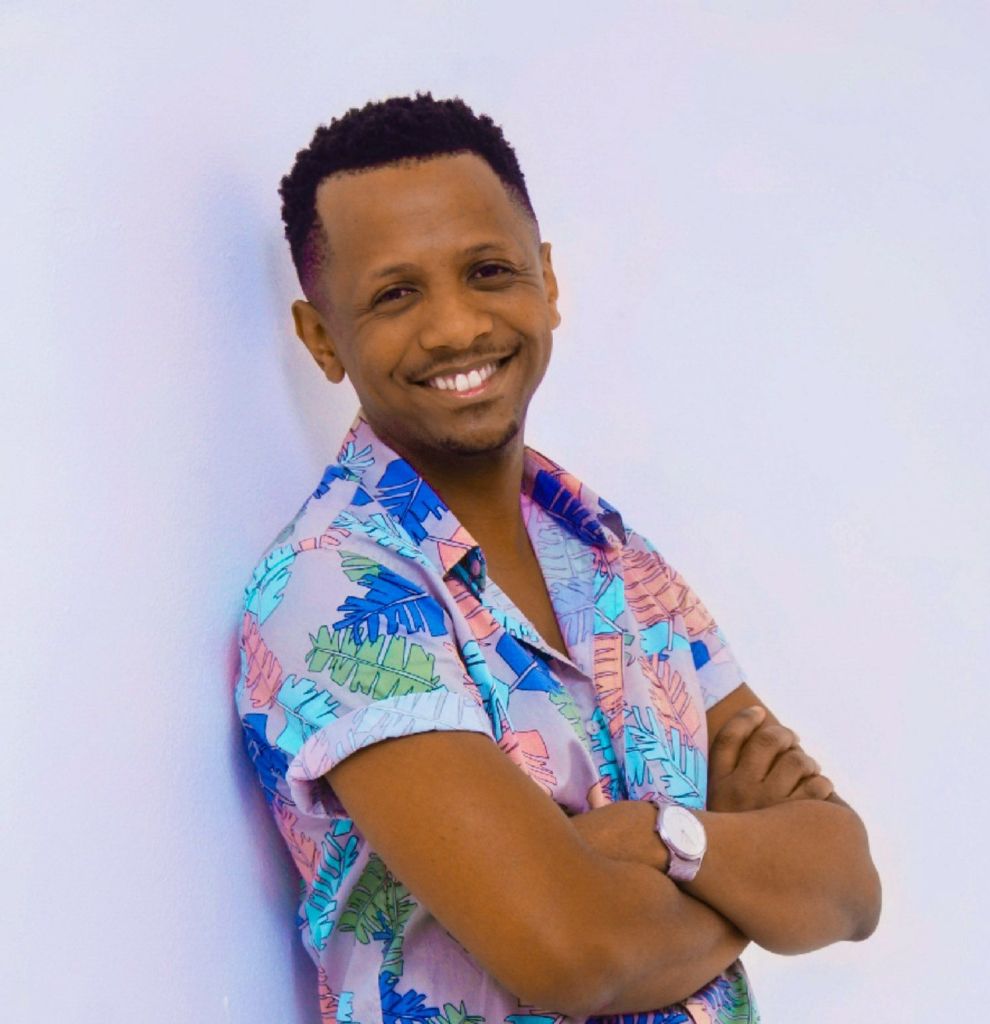
As the founder of CultureZA, Manelisi Manellie serves as a strategic bridge-builder in a divided landscape. Rooted in his Xhosa heritage and Mitchell’s Plain upbringing, Manellie combines analytical expertise with cultural journalism to contextualize the South African experience. Guided by the principles of MCZA, he manages complex communication roadmaps that position arts and culture as the ultimate frontiers for social cohesion and meaningful brand engagement.

  • Cultures Are By Design: Reimagining Southern African Interculturalism at All Fashion Sourcing 2026

    Rather than a traditional runway photo essay or garment showcase, this feature focuses on the strategic conversations, brand ethos, and systemic ideas shaping Southern Africa’s design landscape. To view full runway collections, exhibitor lookbooks, and high-resolution event photography from the showcase, visit the official All Fashion Sourcing 2026 Gallery.

    All Fashion Sourcing 2026 official event banner held at the CTICC in Cape Town showcasing Southern African textile and design innovation.

    We often talk about culture as if it is something that happens to us—an inherited relic passed down through generation, static and set in stone. But walking the floor at the All Fashion Sourcing Exhibition at the CTICC, observing the interplay of textiles, heritage, and regional trade across Southern Africa, a different narrative emerges: culture is an intentional act. Cultures are by design.

    Entering the space, my intention was simple: to uncover grassroots stories that define the contemporary South African experience. What I walked away with was a far broader, more urgent imperative—the critical need for true regional integration across the Southern African Development Community (SADC) fashion, textile, and leather ecosystems.

    To unpack how local design houses are navigating interculturalism, heritage storytelling, and the eternal question of whether fashion qualifies as wearable art, I sat down with seven pioneering voices shaping our regional aesthetic landscape.

    Official brand logo for Qhawekazi Styles, a sustainable African fashion and accessory design house.

    1. Qhawekazi Styles: Circular Aesthetics & Wearable Art

    For Samukelisiwe Khanyile, founder of Qhawekazi Styles, fashion is unequivocal: “Art is bringing something to life—turning a thought into reality.” Our conversation settled on a shared philosophy that modern African fashion is fundamentally wearable art.

    Her design ethos merges vibrant African aesthetics, incorporating Nguni-inspired patterns and geometric sensibilities, with strict environmental responsibility. As part of her sustainability journey (including her involvement in green enterprise development initiatives like those supported by Nedbank), Qhawekazi operates on a near-zero-waste principle.

    Every single offcut is accounted for: if a piece of fabric cannot be seamlessly integrated into a garment, it is repurposed into statement purses, earrings, or fabric-swatch hats. Whatever remains beyond her studio’s capacity is donated to local SMMEs and community NGOs, creating a circular model where waste becomes opportunity.

    Official logo for H.Mor fashion brand, featuring Lesotho-inspired textile design.

    2. Hlompho (H.Mor): Resilience, Symbols, and the Intercultural Barrier

    For Hlompho Morojele, the mind behind H.Mor, fashion is an everyday living canvas—a space where designers bring their lineage to life like a painting on a gallery wall.

    H.Mor’s signature textile prints draw deep inspiration from the Kharetsa (the spiral aloe), a resilient plant endemic to the high-altitude landscapes of Lesotho and parts of the Free State and Eastern Cape. For Hlompho, the aloe’s ability to thrive in harsh climates mirrors the structural resilience of her brand.

    While she intentionally weaves traditional Nguni patterns and modern iterations of Shweshwe into her silhouettes, Hlompho offered a candid critique of our regional industry. Despite the fact that cultural identities constantly cross paths in daily life, she highlighted a persistent aversion within the formal Clothing, Textile, Footwear, and Leather (CTFL) sector toward genuine interculturalism.

    Editor’s Note: H.Mor is set to showcase her collection at London Fashion Week during the week of 20 July 2026, taking Southern African symbolism onto the global stage.

    Official logo for Kokopelli, an eco-conscious natural textile and hemp lifestyle apparel brand.

    3. Kokopelli: Natural Textiles, Heritage, and Rooted Employment

    Meeting the effervescent Lache Davids, founder of Kokopelli, is an exercise in high-energy storytelling. The brand’s philosophy traces back to the ancient spirit of Kokopelli—a symbol Lache further connected with during a life-changing trip to Knysna—anchored by three foundational pillars: agriculture, festivity/music, and fertility.

    A passionate traveler who sustained her early journey by teaching English online, Lache brings a global worldview back to local soil. While hemp serves as the brand’s cornerstone hero fiber, Kokopelli’s collections utilize a versatile range of natural, eco-conscious textiles designed for conscious living.

    Rooted in memories of her grandmother curing ailments with natural indigenous herbs, Lache views Kokopelli as a vehicle for holistic community health. More than just a label, she takes immense pride in generating fair-wage employment for women in under-resourced Cape Town townships like Khayelitsha, proving that sustainable fashion must be economically restorative to be truly ethical.

    Official Shweshwekini brand logo, a four-quadrant graphic blending solid golden-yellow, vertical black lines, abstract waves, and dotten patterns, symbolizing African textile heritage and swimwear design.

    4. Shweshwekini: Lighthearted Afro-Centricity

    When Mapitso Thaisi couldn’t find afro-centric, culturally resonant swimwear that suited her aesthetic, she built her own solution. Shweshwekini was born out of a desire to address the systemic under-representation of traditional African prints in resort and activewear.

    The brand’s clever moniker draws direct inspiration from the cultural crossover of Kente cloth swimwear (often dubbed “Kentekinis”) and the iconic Shweshwe fabric of Southern Africa.

    What makes Mapitso’s work striking is her ability to infuse a sense of effortless lightheartedness into Afro-centric design—a space that can sometimes feel heavy under the weight of political statement. As an advocate for cultural empowerment, Mapitso spoke openly about the historical limitations placed on African trade integration, championing a future where Africa’s interconnected history of oneness is celebrated rather than siloed.

    Official logo for Olive Bean Leather Co., a handcrafted local leather goods and functional apparel brand.

    5. Olive Bean Leather Co.: Functional Perfectionism

    Meeting Frederick Zeelie of Olive Bean Leather Co. offers an intriguing contrast: a former commercial diver whose quiet, reserved nature gives way to meticulous, uncompromising craftsmanship.

    Frederick’s entry into fashion was born out of a fundamental desire for self-sufficiency and personal agency. Growing up in a restrictive, deeply conservative environment outside Cape Town, he began hand-crafting durable leather goods purely for himself. When onlookers repeatedly offered to purchase the pieces off his back, a brand was born.

    Olive Bean is defined by an obsession with detail, structural integrity, and functional perfectionism. Currently expanding from premium leather accessories into apparel, with the ultimate goal of launching a fully local footwear line, Frederick represents the quiet power of self-taught, functional mastery.

    Official logo for Tribal Trend and Bold Couture, showcasing authentic Basotho heritage and contemporary African fashion.

    6. Tribal Trend & Bold Couture: SADC Integration & The Royal Roots of Shweshwe

    At the Lesotho Pavilion, Karabelo Sebokoana (Tribal Trend) and the creative force behind Bold Couture (Tebello) delivered a tag-team masterclass on regional trade and heritage preservation.

    Their interactive session yielded a fascinating piece of fashion history: the origin of Shweshwe itself. The printed indigo cotton fabric—originally brought to Southern Africa by European traders and French missionaries in the 1830s—was gifted to King Moshoeshoe I of Lesotho. The Basotho people dubbed the fabric ‘se-Moshoeshoe’, which eventually morphed phonetically into Shweshwe, forever intertwining a global import with Basotho royal identity.

    Both designers expressed immense pride in representing Lesotho’s burgeoning design ecosystem, while speaking openly about the practical hurdles they face. They contrasted the nostalgic stories of their parents—who could freely pack suitcases of handcrafted garments to sell across borders—with today’s rigid, bureaucratic customs declarations and trade barriers between Lesotho and South Africa.

    Their call to action was clear: SADC brand houses and independent designers must establish collective regional bodies to tackle CTFL trade barriers, supply chain bottlenecks, and male consumer hesitancy together.

    Official logo for Igoda Fashion Incubator, a platform supporting post-graduate fashion designers and commercial manufacturing in South Africa.

    7. Igoda Fashion Incubator: Unlocking Graduate Potential

    Sanele Shabangu and the team at Igoda Fashion Incubator are tackling the regional industry at its structural foundation: post-graduate transition and industrial manufacturing readiness.

    Igoda operates as an incubator offering hands-on technical training, pattern-making scaling, and commercial manufacturing experience for fashion graduates who often find themselves stranded between academic theory and market access.

    Sanele noted that while fashion is undoubtedly art, South African creatives sometimes fall into the trap of trying to be “too cool,” resulting in artistic isolation rather than commercial viability. Igoda’s runway showcase demonstrated an inventive blend of avant-garde design and street-level wearability, proving why there is an urgent appetite for the incubator’s model to expand permanently into Cape Town—the design capital of South Africa.

    Official logo for Fastfox Footwear, an established South African footwear manufacturer specializing in genuine leather shoe design.

    8. Fastfox Footwear: Industrial Scale vs. Cultural Blindspots

    Closing out my conversations was Jacky Hay of Fastfox Footwear. Jacky shared her rich family heritage—from her father playing music in the very UK venues where The Beatles were discovered, to his transition through naval engineering, and ultimately founding Fastfox.

    While Jacky hails from the UK, she passionately considers herself South African (“my blood is green”), maintaining a flat, highly supportive organizational structure dedicated to preserving local manufacturing jobs in an era where hyper-commercialization threatens local factories.

    However, our interaction highlighted a critical tension within modern South African corporate culture. Jacky articulated a “color-blind” approach to interculturalism, expressing frustration over what she views as an excessive national focus on race.

    While rooted in a desire for unity, this perspective presents a distinct blindspot: ignoring how deeply race, historical structural exclusion, and cultural identity shape market access for emerging Black designers today. True intercultural progress cannot be achieved by erasing difference, but by actively creating space for equity, restitution, and distinct cultural narratives to thrive side by side.

    The Verdict: From Local Stories to Regional Power

    Walking out of CTICC 2, one realization became crystal clear: we cannot solve South Africa’s creative economy in isolation.

    The future of Southern African fashion depends on regional integration. When Lesotho’s textile heritage, Cape Town’s manufacturing incubators, artisanal leather workers, and sustainable hemp producers operate as an interconnected ecosystem, SADC stops being just a geopolitical trade block—it becomes a global design powerhouse.

    Culture isn’t static. It is designed, stitch by stitch, border by border.

    Content Disclosure: This article was developed by the author in collaborative partnership with an advanced artificial intelligence (AI) system. While the overarching conceptual thesis, local South African contextual framing, and structural direction originated entirely from the author’s professional insights, AI assistance was utilized to synthesize academic literature, cross-reference organizational psychology frameworks, and refine the narrative prose. All arguments, final edits, and ethical conclusions are the sole responsibility of the human author. 

  • Nelson Mandela in a green and gold number 6 Springbok jersey smiling and handing the Webb Ellis Cup to South African rugby captain Francois Pienaar at Ellis Park in 1995.
    This piece of documentary photography taken by David Rogers is a masterpiece of visual symbolism...”
    (Note: Jan Hamman shot the equally famous alternative angle for local newspaper Beeld, this however is the David Rogers/Allsport frame).

    CultureZA’s lenses are usually focused on visual art, cinema, and theatre, but culture isn’t a monolith: it is living, breathing, and constantly being shaped by the world around us. At times, the most culturally significant art isn’t painted on a canvas—it is captured in a fraction of a second on a camera sensor.

    A close-up selfie of Manelisi Manellie smiling alongside former Springbok rugby captain Francois Pienaar, who is wearing a green and gold South African scarf.

    ​This reminder was brought to life recently when looking back at a personal photograph, which captures a shared moment with former Springbok captain, Francois Pienaar. While many look at Pienaar and simply see a rugby icon, visual storytellers view him as a figure standing dead center in one of the most important visual moments in modern global history. To understand the true weight of South African visual culture, we have to look back at the enduring power of that single, iconic image. 

    ​The Anatomy of an Icon 

    ​Let’s take it back to 24 June 1995 at Ellis Park Stadium. The image of President Nelson Mandela, proudly adorned in the green and gold No. 6 jersey, handing the Webb Ellis Cup to a beaming Pienaar. This piece of documentary photography, captured by Jan Hamman, stands as a masterclass in visual symbolism: 

    • The Contrast: A frail yet seasoned, elderly Black Xhosa statesman who spent 27 years in prison, standing hand-in-hand with a young, energetic White Afrikaner. ​
    • The Wardrobe: President Mandela deliberately wearing the very jersey that had once been a deeply painful symbol of apartheid-era oppression. 
    • The Framing: It was far more than a standard sports photo—it served as a carefully composed visual contract of a new, arguably unified South Africa. 

    ​In a single shutter click, decades of cultural division were re-framed. It proved that photography does more than just record history—it holds the profound power to engineer social healing. It provided a traumatized nation with a lasting visual vocabulary for what peace actually looked like. 

    References

    Evans, M. (n.d.). Transmitting the Transition: Media Events and Post-Apartheid South African National Identity (Doctoral dissertation). University of Cape Town.

    Jordaan, M. A. (2021). A History of South African Cricket and Rugby Transformation. University of Johannesburg.

    Rogers, D. (1995). Nelson Mandela, President of South Africa, presents the Webb Ellis Cup to South Africa Captain Francois Pienaar after the Rugby World Cup Final between South Africa and New Zealand at Ellis Park on June 24, 1995 in Johannesburg, South Africa [Photograph]. Allsport / Getty Images. World Rugby Resource Hub (Asset ID: 2045838_ORIG). https://resources.world.rugby/photo-resources/2020/04/23/456c28af-4049-4c6a-9097-34d8b89ac00a/2045838_ORIG_1.1.jpg

    Content Disclosure: This article was developed by the author in collaborative partnership with an advanced artificial intelligence (AI) system. While the overarching conceptual thesis, local South African contextual framing, and structural direction originated entirely from the author’s professional insights, AI assistance was utilized to synthesize academic literature, cross-reference organizational psychology frameworks, and refine the narrative prose. All arguments, final edits, and ethical conclusions are the sole responsibility of the human author. 

  • Cultures Are Ethical: How Accountability Counters The Climate of Poor Leadership

    Subscribe to continue reading

    Subscribe to get access to the rest of this post and other subscriber-only content.

  • Photo by Pixabay on Pexels.com

    Moving from Generic CSR to Meaningful Cultural Stewardship in South Africa’s 2026 Creative Economy.

    The landscape of South African philanthropy is at a critical inflection point. With the Department of Sport, Arts and Culture (DSAC) actively formalizing the 17 Cultural and Creative Industry Clusters to drive economic growth and job creation, capital is flowing into the creative economy at unprecedented rates (Department of Sport, Arts and Culture, 2025). Yet, for many private sector foundations and philanthropic bodies, a recurring “Narrative Deficit” remains.

    Despite significant investment, the impact of these programs often fails to “cut through the noise.” Research indicates that in an oversaturated 2026 digital environment, competition for funding is intensifying, and audiences are increasingly flooded with content, making generic messaging increasingly ineffective (HashtagNonprofit, 2026).

    The Architecture of the Narrative Deficit

    The struggle to connect authentically is not merely a communication oversight; it is a structural challenge. When foundations communicate, they often default to clinical, report-heavy language that fails to resonate with diverse audiences. As noted in recent industry discourse, NGOs and foundations are currently navigating a “demanding environment” marked by economic strain and shifting donor expectations, where the ability to interpret these trends and align narratives with current priorities is essential for sustainability (AfricanNGOs, 2026).

    The challenge is threefold:

    1. The Translation Gap: The difficulty of translating complex institutional mandates into human-centric, emotive stories.
    2. Authenticity Failure: Using a “top-down” communication style that creates distance rather than dialogue.
    3. Value Articulation: The struggle to articulate why an investment in the arts is a foundational investment in social cohesion—a key pillar of the National Arts Council’s (NAC) 2026-2027 funding mandate (National Arts Council, 2026).

    From Sponsorship to Cultural Stewardship

    At MCZA, we advocate for a shift toward Cultural Stewardship. This is not merely about funding; it is about acting as a conduit between the creative ecosystem and the public.

    Cultural stewardship demands Cultural Intelligence (CQ)—the ability to engage with the nuances of South African history, language, and contemporary artistic practice. It requires a strategy that views communication not as a post-script to a project, but as the engine of its impact. As highlighted by UN Women South Africa (2026), reframing narratives through ethical, gender-sensitive, and contextual reporting is a transformative act that builds inclusive societies.

    A Strategic Roadmap for 2026

    To bridge the narrative gap, foundations must adopt a “Purposeful Pioneer” framework:

    • Audit Your Cultural Resonance: Before launching a new initiative, analyze how your communication lands with your target demographic. Does it feel extractive, or does it empower?
    • Invest in Narrative Infrastructure: Just as you fund the project, you must fund the storytelling that brings it to life. This means prioritizing intercultural journalism and high-quality, long-form content over transient social media posts (HashtagNonprofit, 2026).
    • Prioritize Radical Authenticity: Leverage the voices of the practitioners. Your role as a foundation is to amplify, not to overwrite.

    The Bottom Line

    The creative economy is the heartbeat of South African identity. For foundations, the goal for 2026 should be to transform their role from passive sponsors into active cultural architects. When you articulate your unique value with clarity and intelligence, you don’t just cut through the noise—you define the signal.

    Is your foundation ready to bridge the narrative gap?

    We leverage AI to enhance our content creation process, allowing our human experts to focus on deeper insights and analysis. This post was created with AI assistance and human oversight.

    References

    • AfricanNGOs. (2026). African NGO Funding Trends 2026 – Challenges and Opportunities. Retrieved from
    • Department of Sport, Arts and Culture. (2025). Sport, Arts and Culture on 17 Cultural and Creative Industry Clusters. Government of South Africa. Retrieved from
    • HashtagNonprofit. (2026). Eight communications trends African nonprofits shouldn’t ignore in 2026. Retrieved from
    • National Arts Council. (2026). NAC Annual Project Funding Call for Applications for the 2026-2027 Financial Year. Department of Sport, Arts and Culture. Retrieved from
    • UN Women South Africa. (2026). Reframing the narrative through capacity building for South African Journalists on Gender-Responsive Migration Reporting. Retrieved from
  • Cultures Are Bridging Opportunity Gaps: From Connection To Inclusion

    Cultures are multifaceted, dynamic, and fundamental to South African identity, offering unique lenses through which to understand, connect, and transform society. As we explore the prompt “Cultures are…?”, we find that they are, most pivotally, a bridge—a means to traverse the systemic distances that have long separated our talent from its deserved platform.

    The Heartbeat of Mitchell’s Plain: The Love Jam Session

    The Love Jam Session took place a day before Valentine’s Day at the well-known Alliance Française in Mitchell’s Plain. Hosted by the Blaq Pearl Foundation, an organization founded by the prolific poet, artist, and community leader Janine “Blaq Pearl” Overmeyer, the event served as a profound reminder that cultural infrastructure is built first on human connection.

    Prior to the showcase, the session kicked off with a dialogue where Blaq Pearl invited participants to voice the life challenges they are currently navigating. Among the many profound takeouts was a collective call for artists to support one another; the “crab-in-a-bucket” mentality was identified as a consistent factor in the seemingly stagnant creative landscape of the Cape Flats—compounding the weight of (stereotypically) well-documented and under-addressed social ills.

    A candid photograph of community leader Janine "Blaq Pearl" Overmeyer engaged in a dialogue session with a participant at the Love Jam Session in Alliance Française, Mitchell's Plain. The setting is intimate and collaborative, reflecting the theme of connection.
    Janine “Blaq Pearl” Overmeyer connecting with a participant during the Love Jam Session at Alliance Française, Mitchell’s Plain. Photo: Courtesy of Alliance Française du Cap / Facebook.

    Blaq Pearl’s infectiously authentic passion to create this soul-stirring event was only eclipsed by her hard work, the mutual appreciation the artists showed for one another, and an insatiable hunger to connect. And rightfully so: these artists gave everything in their performances—compelling insight, inspiration, talent, and a soul-driven resilience that necessitates for spaces of this nature to continue to exist and grow.

    Murmurs among attendees suggested that the Love Jam Session will become a monthly fixture. Therefore support from all inhabitants of Cape Town is encouraged to foster connection and the exchange of ideas in order to overcome pervasive systemic distractions—the most prominent of which is the opportunity gap.


    Visualizing the Bridge

    When we speak of bridging opportunity gaps, we look to the artists who turn the “periphery” into the “center.” The following visual narrative explores two award-winning practitioners whose work exemplifies the journey from connection to inclusion.

    1. Warren Maroon: The Texture of Resilience

    Winner of the 2026 Investec Emerging Artist Award

    Warren Maroon’s work is a visceral response to the very dialogue shared at the Love Jam Session. In his piece, Crabs In A Bucket, Maroon utilizes found objects to create a physical manifestation of the “pull-down” syndrome. By placing this narrative within the prestigious context of Everard Read, Maroon elevates the materials of the Cape Flats into a high-art dialogue, effectively bridging the gap between marginalized experience and institutional recognition.

    Warren Maroon’s sculpture titled "Crabs In A Bucket" on display at Everard Read Gallery. The artwork features found objects and detritus from the Cape Flats transformed into a conceptual installation that explores systemic socio-economic pressures and the pull-down syndrome.
    Warren Maroon, Crabs In A Bucket. Installation view at Everard Read. Maroon utilizes everyday detritus to explore the systemic pressures of the Cape Flats. Credit: Warren Maroon / Everard Read.

    2. Sibusiso Bheka: Silhouettes of the Township

    Winner of the ORMS International Photography Prize

    Sibusiso Bheka’s photography moves away from the “stereotypically well-documented” and into the conceptual. In his work uMntu, exhibited at Afronova Gallery, Bheka uses a cinematic, nocturnal lens to document life in Thokoza. By focusing on the atmospheric mystery and the human presence (uMntu), he bridges the gap between geography and international acclaim, proving that township life is a site of deep artistic mystery.

    A conceptual nocturnal photograph titled "uMntu" by Sibusiso Bheka, exhibited at Afronova Gallery. The image uses cinematic lighting and silhouettes to document township life in Thokoza, focusing on atmospheric resilience and human presence.
    Sibusiso Bheka, uMntu. Featured at Afronova Gallery. A nocturnal exploration of township life that transcends traditional documentary photography. Credit: Sibusiso Bheka / Afronova Gallery.

    Moving Toward Radical Inclusion

    To bridge the opportunity gap, we must move beyond mere representation and toward radical inclusion. This requires more than just acknowledging talent; it requires supporting the spaces where that talent is nurtured.

    The Blaq Pearl Foundation and the artists featured here demonstrate that the hunger to connect is insatiable. However, for this connection to lead to sustainable inclusion, the “exchange of ideas” must be met with structural support. When we support monthly fixtures like the Love Jam Session, we aren’t just attending an event; we are participating in the dismantling of the systemic distractions that hold our creative economy back.

    Join the Dialogue: Cultures Are…?

    Cultures are a dialogue, and that dialogue starts with showing up.

    • Have you witnessed a local initiative bridging gaps in your area?
    • How can we better support the “Soul-Driven Resilience” of our rising artists?

    Share your experiences in the comments or join us on Instagram using #CulturesAreBridgingGaps.

    This feature was developed with AI-assisted structural and linguistic refinement, ensuring alignment with the MCZA Brand Guidelines and CultureZA’s editorial mission for authentic cultural journalism.

    References

    • Alliance Française du Cap. (2026, February). Love Jam Session with Blaq Pearl Foundation [Photographs]. Facebook.
    • Maroon, W. (2024). Crabs In A Bucket [Sculpture/Installation]. Everard Read Gallery, Johannesburg/Cape Town.
    • Bheka, S. (2024). uMntu [Photography]. Afronova Gallery, Johannesburg.
    • Investec Emerging Artist Award. (2024). Warren Maroon: Profile of Resilience.
    • ORMS International Photography Prize. (2024). Sibusiso Bheka: Documenting Thokoza.
  • A clean, white jigsaw puzzle with a single missing piece, symbolizing the 'Information Gap' that prevents youth from completing the journey to economic inclusion.
    Photo by Pixabay on Pexels.com

    The prevailing narrative in youth employment has long centered on the “Skills Gap”—the idea that young people simply lack the technical training required by the modern economy. However, as we move through 2026, MCZA’s strategic analysis reveals a more systemic culprit: Information Poverty. Even the most “work-ready” youth cannot transition into the economy if the pathways to those opportunities are invisible, digitally gated, or geographically sequestered. To achieve true economic inclusion, we must pivot from merely training talent to dismantling opportunity gatekeeping.

    The Invisible Barrier: Defining Information Poverty

    In South Africa and across emerging markets, a “spatial mismatch” exists between where youth reside and where opportunity information is concentrated. While 2025 data from the Presidential Youth Employment Intervention (PYEI) shows an increase in available entry-level roles, the cost of discovery remains a primary barrier.

    • Digital Gatekeeping: High data costs act as a functional “tax” on the poor. If a job portal isn’t zero-rated, it is effectively closed to millions.
    • The Network Moat: A significant percentage of economic opportunities are never advertised; they circulate within closed professional loops (LinkedIn, private referrals, and elite alumni networks).

    Actionable Insight: Organizations must audit their “Information UX.” If your application process requires 50MB of data and a high-speed connection, you aren’t just hiring for skill; you are hiring for data-access privilege.

    From Training to “Pathway Management”

    The next frontier for NPOs and Corporate Social Investors is the transition from “Training Provider” to “Pathway Manager.” This shift, championed by leaders like Harambee Youth Employment Accelerator, focuses on creating “common spaces” for opportunity.

    By investing in National Pathway Management Networks (NPMN), NPOs can move away from siloed impact. The goal is a “no wrong door” policy: whether a young person enters a library, a township hub, or a USSD portal, the information they receive must be synchronized and actionable.

    Strategic Solutions: Transforming Information Spaces

    To bridge this gap, MCZA identifies three pivotal shifts in communication and infrastructure strategy:

    1. Hyper-Localization of Access Points: Information must live where the youth are. This means repurposing physical community spaces—libraries, spaza shops, and schools—into Opportunity Hubs. Research from Youth Capital (2025) suggests that physical proximity to job-seeking support increases the likelihood of placement by over 30%.
    2. Zero-Rated “Digital Commons”: Strategy must prioritize platforms that do not consume airtime. Leveraging the SAYouth.mobi ecosystem or WhatsApp-based AI bots allows for low-friction, high-frequency engagement that respects the user’s financial constraints.
    3. Dismantling “Corporate Speak”: Gatekeeping often happens through language. Jargon-heavy job descriptions intimidate first-time seekers. MCZA’s approach advocates for culturally intelligent copywriting that translates corporate requirements into accessible, relatable language without losing professional rigor.

    The MCZA Perspective: A Call to Action

    Economic inclusion is a communications challenge as much as it is an economic one. As we look toward the remainder of 2026, the mandate for NPOs is clear: Stop funding training in a vacuum.

    For NPO Leaders and Investors:

    • Audit your reach: Is your information reaching the “unconnected” or just the “already-informed”?
    • Invest in “Linkage”: Allocate 20% of your training budget toward Pathway Infrastructure—the tech and people that connect graduates to the actual market.
    • Collaborate on Data: Partner with MNOs to ensure your digital portals are truly open-access.

    The “Information Gap” is the final gatekeeper. By bridging it, we don’t just give youth a chance; we give the economy the talent it has been missing.

    We leverage AI to enhance our content creation process, allowing our human experts to focus on deeper insights and analysis. This post was created with AI assistance and human oversight.

  • Unveiling the Tapestry: Cultures are… Resilience and Innovation in South African Theatre

    Ensemble cast of the 2024 Joburg Theatre production of For Colored Girls performing on stage, representing South African theatrical resilience.
    A scene from the Joburg Theatre production of For Colored Girls Who Have Considered Suicide / When the Rainbow Is Enuf (2024). Photo: Supplied/News24.

    Cultures are multifaceted, dynamic, and fundamental to South African identity, offering unique lenses through which to understand, connect, and transform society. As we explore the prompt “Cultures are…?”, we turn our gaze toward the stage—a living mirror of our nation’s soul. In the face of shifting economic tides and evolving social landscapes, South African theatre stands as a testament to resilience and innovation.

    The Pulse of Production: A Cultural Trend Analysis

    The rate of theatrical production in South Africa is no longer solely dictated by the lights of urban commercial hubs. Instead, a profound shift is occurring where “Cultures Are Resilience” is manifesting in community-led initiatives and intercultural fusion. To understand what makes or breaks our theatrical tapestry, we must look at the specific catalysts driving change today.

    1. Community Theatre as a Catalyst for Change

    Community theatre groups are the bedrock of cultural production, often operating where traditional infrastructure fails. These groups address social issues and preserve narratives that are fundamental to our shared identity.

    Case Study: The Hillbrow Theatre Project

    In the heart of Johannesburg’s inner city, the Hillbrow Theatre Project serves as a powerful example of theatre as a tool for social cohesion. By providing a safe space for youth from diverse backgrounds, the project uses performance to navigate the complexities of urban life, migration, and identity. This is “Cultures Are Resilience” in action—turning a challenging environment into a stage for profound human connection and diverse collaboration.

    Case Study: The Baxter’s Zabalaza Theatre Festival

    Cape Town’s Zabalaza Festival has become a vital ecosystem for community groups from various townships. It doesn’t just provide a platform; it offers a pipeline for “groundbreaking innovation” by pairing emerging township artists with professional mentors. This intercultural angle—collaboration among diverse performers—ensures that the tapestry of South African stories remains vibrant and connected.

    2. The “Break” Factors: Policy and Funding Barriers

    Despite the creative surge, systemic hurdles can stifle the rate of production. Our analysis of current arts funding policies reveals that institutional “jargon” and bureaucratic complexity often affect diverse cultural groups differently.

    • The Funding Gap: While major institutions receive consistent support, grassroots innovators often struggle to access the same “transformative roadmaps”.
    • The Strategic Fix: Policymakers must adopt “culturally intelligent insights” to simplify access and ensure that funding reflects the multifaceted reality of our arts landscape.

    3. Innovation through Intercultural Fusion

    “Cultures Are Innovation” is seen when contemporary practitioners blend traditional craft with modern design. We see this in the reimagining of urban landscapes for inclusive communities, where the stage moves beyond the proscenium arch into the streets and digital spaces.

    Join the Dialogue: Cultures Are…?

    We believe that cultures are a shared journey. We want to hear from you:

    • What was the last local production that moved you?
    • How has theatre shaped the identity of your community?

    Share your stories in the comments below or join the conversation on Instagram using #CulturesAreResilience. Let’s unveil the tapestry together.

    Conclusion: The Resilient Stage

    The growth of South African theatre is inextricably linked to our ability to foster resilience at the community level and drive innovation through intercultural collaboration. While policy and funding challenges remain significant barriers, the “Purposeful Pioneer” spirit of our artists continues to transform narratives and bridge cultural divides. Ultimately, theatre makes the “eye travel” across the provinces, reflecting a multifaceted identity that is as dynamic as the people who create it.

    Take Action: Support Local Theatre

    The tapestry only stays vibrant if we participate in its weaving.

    • Attend a show: Visit your local community arts center or city theatre this weekend.
    • Support an initiative: Follow and share the work of rising artists on social media.
    • Invest in the arts: If you are a policymaker or funder, look toward the “groundbreaking innovation” happening in our township theatre projects.

    References

    Disclosure: AI tools, including Gemini, were used in the research, data synthesis, and drafting stages of this article. The content has been verified against institutional archives and edited by the CultureZA Writer to ensure professional accuracy and alignment with our 2025/26 Content Plan.

  • Around the Land in Artsy Ways: 18 Rising Artists Unveiling the South African Tapestry

    A comprehensive vertical collage for CultureZA titled Around the Land in Artsy Ways, featuring 18 rising South African visual artists and their representative artworks from all nine provinces.

    Cultures are multifaceted, dynamic, and fundamental to the South African identity. To explore this, we’ve embarked on a visual “Grand Tour”—an inter-provincial reimagining of Around the World in Eighty Days. This journey does not cross oceans, but rather the diverse landscapes of our nine provinces through the eyes of twenty rising visual artists.

    Why These Artists? The selection was curated to address historical regional biases by giving equal weight to all nine provinces. From the conceptual sophistication of urban hubs like the Western Cape and Gauteng to the material resourcefulness found in Limpopo and the Northern Cape, these artists were chosen because they represent “innovation for a better future”.

    By highlighting emerging talents—such as Lesego Motsiri’s digital exploration in the Free State or Asanda Kupa’s poignant depictions of Eastern Cape life—we are documenting the “untold stories” that define our modern visual culture. While the journey is ongoing (as we continue to source the specific primary works of practitioners like Nontokozo Ntombela and Nandipha Jakuja), this collage serves as a living map of South African resilience and creativity

    Cultures are… a journey. What is yours?

    The Journey Begins: An Inter-Provincial Grand Tour

    Cultures are multifaceted, dynamic, and fundamental to South African identity. This visual journey, inspired by the spirit of a global expedition but rooted firmly in local soil, explores the “Cultures are…?” prompt through the work of 18 rising visual artists representing all nine provinces. By showcasing innovation for a better future, this collection offers a unique lens through which to understand and connect with the modern South African landscape.

    Vertical collage of Western Cape rising artists Cinga Samson and Shakil Solanki for CultureZA, showcasing urban narratives and intimate portraiture.

    The Western Cape: Urban Narratives and Intimate Identities

    In the Western Cape, visual culture often bridges the gap between urban existentialism and historical reflection. Cinga Samson provides a powerful high-visibility anchor for this province. The work features portraits infused with local symbolism that speak to modern African identity and the complexities of the urban experience.

    Joining this narrative is Shakil Solanki, whose practice explores intimacy and queer identity. Through delicate use of medium and composition, the artwork invites viewers into a private Cape landscape, challenging traditional perceptions of space and belonging.

    Gauteng provincial art collage featuring Banele Khoza and Bevan de Wet, highlighting digital innovation and Johannesburg’s architectural decay.

    Gauteng: Digital Innovation and Architectural Decay

    Gauteng serves as a hub for rapid change and technological fusion. Banele Khoza exemplifies this through digital illustration and painting that focuses on soft masculinity and identity in the digital era. The work represents the “Innovation” pillar of South African creativity, blending traditional aesthetics with modern platforms.

    Bevan de Wet offers a contrasting perspective by focusing on the physical structures of Johannesburg. Through printmaking and paper works, the artist explores urban architecture and socio-political decay, documenting how the built environment reflects the shifting history of the province.

    KwaZulu-Natal art collage for CultureZA featuring Sthenjwa Luthuli and Nontokozo Ntombela, focusing on ancestral memory and carved wood panel art.

    KwaZulu-Natal: Ancestral Memory and Ritual

    The visual language of KwaZulu-Natal is deeply tied to communal memory and ritual. Sthenjwa Luthuli uses carved wood panels to translate traditional African material practices into contemporary narratives. The intricate textures serve as a bridge between ancestral heritage and modern artistic expression.

    Complementing this is Nontokozo Ntombela, whose mixed-media work and sculpture delve into ritual and tradition. By exploring the KZN landscape in relation to identity, the practice fosters empathy and shared humanity through cultural exploration (as mentioned previously we are still yet to source the specific primary works of Nontokozo Ntombela).

    Eastern Cape provincial collage featuring Asanda Kupa and Yonela Makoba, depicting themes of displacement and Xhosa cultural practices.

    The Eastern Cape: Displacement and Cultural Fabric

    In the Eastern Cape, rising artists often grapple with themes of displacement and the preservation of cultural practices. Asanda Kupa creates powerful depictions of peri-urban life and artwork that captures the energy and resilience of marginalized communities.

    Yonela Makoba utilizes photography and installation to focus on Xhosa cultural practices. The work examines the changing socio-cultural fabric of the region, ensuring that “untold stories” are brought to the forefront of the national conversation.

    Free State art collage showcasing rising artists Lesego Motsiri and Linde Kriel, winners of the New Breed and Sasol New Signatures awards.

    The Free State: Digital Vanguards and Social Ecology

    The Free State art scene is witnessing a rise in artists who blend local ecology with global digital trends. Lesego Motsiri, a New Breed Art Competition winner, investigates the relationship between traditional art and new media in Bloemfontein. This practice demonstrates a commitment to “Innovation for a Better Future”.

    Linde Kriel uses printmaking and multi-media to explore social issues, mental health, and gender within a provincial context. The work provides a critical perspective on the visual ecology of small-town life, offering fresh insights into the South African interior.

    Northern Cape provincial collage featuring Malik Mani and Eugene Junior Oliphant, showcasing hyperrealistic drawing and identity in the vast Karoo landscape.

    The Northern Cape: Identity in the Vast Landscape

    In the vast expanse of the Northern Cape, artists focus on the human face and the materials of the earth. Malik Mani creates hyperrealistic drawings that have garnered national recognition. The work focuses on identity and masking, capturing the specific faces of this often-underrepresented region.

    Eugene Junior Oliphant adds to this provincial narrative through painting and mixed media. As a merit award recipient, the artist showcases emergent themes that validate the diversity of visual language outside major metropolitan hubs.

    Mpumalanga art collage for CultureZA featuring Lesedi Ramushu and Michael Selekane, focusing on linocut textures and urban-rural connections.

    Mpumalanga: Cultural Textures and Urban-Rural Connections

    Mpumalanga’s rising talent often focuses on the intricate connections between people and the land. Lesedi Ramushu provides a distinct cultural texture through printmaking. Utilizing traditional linocut methods, the work explores themes of heritage and community.

    Michael Selekane explores the connection between urban and rural environments through heavy impasto painting. The work documents the migration of people and ideas, illustrating how cultures are dynamic and constantly in motion.

    Limpopo provincial collage featuring Nandipha Jakuja and Mashudu Nevhutalu, highlighting ceramics, mythology, and Venda traditions.

    Limpopo: Mythology and Material Culture

    Limpopo remains a bastion for artists who draw inspiration from indigenous mythology and local materials. Nandipha Jakuja utilizes ceramics and sculpture to explore myths and feminine power. By using clay from the northern context, the work emphasizes the “Beauty and Character” of local material culture (as mentioned previously, we are still yet to source the specific primary works of Nandipha Jakuja).

    Mashudu Nevhutalu contributes vibrant, often abstract paintings that deal with Venda traditions. The work explores a spiritual connection to the land, ensuring that cultural specificities are explained respectfully and contextually.

    North West art collage featuring Kagiso Patrick Mautloa and Phumzile Buthelezi, representing industrial mining history and rural domesticity.

    The North West: Industrial History and Domesticity

    The North West province offers a unique intersection of industrial heritage and rural life. Kagiso Patrick Mautloa uses painting and collage to represent the province’s unique history, including the impact of the mining sector. The collage format itself mirrors the fragmentation and reassembly of South African identity.

    Phumzile Buthelezi focuses on rural domesticity and the relationship between individuals and the vast landscapes of the North West. Through printmaking and drawing, the artist provides a human-centric view of life in the province, fostering deeper understanding across cultural boundaries.

    Strategic Directory: Where to Find and Follow the Artists

    To support the CultureZA mission of fostering connection between practitioners and enthusiasts, the following directory outlines the primary galleries and platforms representing the 18 featured artists.

    ProvinceArtistPrimary Gallery / Platform
    Western CapeCinga Samsonwhite cube (International), blank projects (Cape Town)
    Shakil SolankiSMAC Gallery
    GautengBanele KhozaBKhz Gallery
    Bevan de WetDavid Krut Projects / Eleven Editions
    KwaZulu-NatalSthenjwa LuthuliWhatiftheworld Gallery
    Nontokozo NtombelaKZN Society of Arts (KZNSA) / Instagram
    Eastern CapeAsanda Kupa99 Loop Gallery / Everard Read
    Yonela MakobaInstagram (@yonelamakoba) / Various Residency Archives
    Free StateLesego MotsiriNew Breed Art Competition / ArtbankSA
    Linde KrielOliewenhuis Art Museum / Sasol New Signatures
    Northern CapeMalik ManiRust-en-Vrede Gallery / Portrait Award Archives
    Eugene J. OliphantNorthern Cape Arts & Culture Council (NCACC)
    MpumalangaLesedi RamushuInnibos Arts Festival / Regional Art Banks
    Michael SelekaneAssociation of Arts Pretoria / White River Gallery
    LimpopoNandipha JakujaLimpopo Art Museum / Instagram
    Mashudu NevhutaluEverard Read / CIRCA Gallery
    North WestKagiso P. MautloaEverard Read / Various National Collections
    Phumzile ButheleziBag Factory Artists’ Studios / Candice Berman Gallery

    2025/2026 Calendar: Residencies & Upcoming Exhibitions

    Engaging with art in person is a transformative experience. Below are confirmed and recurring opportunities to see work by these artists and their peers during the 2025/2026 season.

    Current & Upcoming Exhibitions
    • Investec Cape Town Art Fair (February 2026): Look for Shakil Solanki and Sthenjwa Luthuli across various gallery booths. This is the largest contemporary art fair in Africa and a primary location for provincial discovery.
    • Sasol New Signatures Finalists Exhibition (September – November Annually): Hosted at the Pretoria Art Museum. This is the definitive space to see work by Linde Kriel and other merit award winners from the interior provinces.
    • Nando’s Creative Exchange (January – February 2026): Taking place at the AVA Gallery (Cape Town) and HUB Gallery, this exhibition frequently features rising talents from all nine provinces who have participated in the Nando’s artist development programs.
    • Solo Exhibition: Juandré van Eck (2026): Following the 2025 win at Sasol New Signatures, this solo show at the Pretoria Art Museum will be a highlight for those following the “rising artist” trajectory.
    Notable Residencies
    • Zeitz MOCAA Atelier Residency (Cape Town): A recurring program for artists living and working in South Africa.
    • The Bag Factory Artists’ Studios (Johannesburg): Frequently hosts residents like Phumzile Buthelezi, providing a collaborative space for North West and Gauteng practitioners.
    • ArtbankSA Residency & Acquisition Program: A critical resource for artists in the Free State and Northern Cape, ensuring that work from these regions is collected and preserved by the state.

    To further enrich the “Around the Land in Artsy Ways” feature for CultureZA, this section provides essential details on where to find the featured artists’ work, their current professional milestones, and upcoming opportunities for the public to engage with their practices.


    Strategic Directory: Where to Find and Follow the Artists

    To support the CultureZA mission of fostering connection between practitioners and enthusiasts, the following directory outlines the primary galleries and platforms representing the 18 featured artists.

    ProvinceArtistPrimary Gallery / Platform
    Western CapeCinga Samsonwhite cube (International), blank projects (Cape Town)
    Shakil SolankiSMAC Gallery
    GautengBanele KhozaBKhz Gallery
    Bevan de WetDavid Krut Projects / Eleven Editions
    KwaZulu-NatalSthenjwa LuthuliWhatiftheworld Gallery
    Nontokozo NtombelaKZN Society of Arts (KZNSA) / Instagram
    Eastern CapeAsanda Kupa99 Loop Gallery / Everard Read
    Yonela MakobaInstagram (@yonelamakoba) / Various Residency Archives
    Free StateLesego MotsiriNew Breed Art Competition / ArtbankSA
    Linde KrielOliewenhuis Art Museum / Sasol New Signatures
    Northern CapeMalik ManiRust-en-Vrede Gallery / Portrait Award Archives
    Eugene J. OliphantNorthern Cape Arts & Culture Council (NCACC)
    MpumalangaLesedi RamushuInnibos Arts Festival / Regional Art Banks
    Michael SelekaneAssociation of Arts Pretoria / White River Gallery
    LimpopoNandipha JakujaLimpopo Art Museum / Instagram
    LimpopoMashudu NevhutaluEverard Read / CIRCA Gallery
    North WestKagiso P. MautloaEverard Read / Various National Collections
    Phumzile ButheleziBag Factory Artists’ Studios / Candice Berman Gallery

    2025/2026 Calendar: Residencies & Upcoming Exhibitions

    Engaging with art in person is a transformative experience. Below are confirmed and recurring opportunities to see work by these artists and their peers during the 2025/2026 season.

    Current & Upcoming Exhibitions

    • Investec Cape Town Art Fair (February 2026): Look for Shakil Solanki and Sthenjwa Luthuli across various gallery booths. This is the largest contemporary art fair in Africa and a primary location for provincial discovery.
    • Sasol New Signatures Finalists Exhibition (September – November Annually): Hosted at the Pretoria Art Museum. This is the definitive space to see work by Linde Kriel and other merit award winners from the interior provinces.
    • Nando’s Creative Exchange (January – February 2026): Taking place at the AVA Gallery (Cape Town) and HUB Gallery, this exhibition frequently features rising talents from all nine provinces who have participated in the Nando’s artist development programs.
    • Solo Exhibition: Juandré van Eck (2026): Following the 2025 win at Sasol New Signatures, this solo show at the Pretoria Art Museum will be a highlight for those following the “rising artist” trajectory.

    Notable Residencies

    • Zeitz MOCAA Atelier Residency (Cape Town): A recurring program for artists living and working in South Africa.
    • The Bag Factory Artists’ Studios (Johannesburg): Frequently hosts residents like Phumzile Buthelezi, providing a collaborative space for North West and Gauteng practitioners.
    • ArtbankSA Residency & Acquisition Program: A critical resource for artists in the Free State and Northern Cape, ensuring that work from these regions is collected and preserved by the state.

    Sources & References

    The “Around the Land in Artsy Ways” project draws on data and research from the following institutions and publications:

    1. South African Cultural Observatory (SACO): Demographic and economic sector reports (2024/25).
    2. Sasol New Signatures: Annual archives of finalists and merit award winners.
    3. State of the Art Gallery: Research into emerging artist visibility and commercial criteria.
    4. Assitej South Africa: Reports on the “Cradle of Creativity” and provincial arts outreach.
    5. Standard Bank Young Artist Awards: Historical data on career trajectories in the visual arts.

    Disclosure: AI tools, including Gemini, were used in the research, data synthesis, and drafting stages of this article. The content has been verified against institutional archives and edited by the CultureZA Writer to ensure professional accuracy and alignment with our 2025/26 Content Plan.

  • Author: Manelisi Manellie

    The canvas of South African cinema—spanning Feature Films, compelling Documentaries, and innovative Short Films—is more than a medium for entertainment; it is a Purposeful Pioneer in national dialogue. It can be asserted that the power of film lies in its unique ability to capture the fragmented, often painful, narratives of our past and present, offering pathways not merely to remembrance, but to profound healing and strategic social transformation. This critical analysis unpacks how South African film achieves this meaningful impact by centering cultural intelligence and amplifying authentic human narratives.

    The Pioneering Act of Authentic Representation

    For decades, the South African film industry was either co-opted by oppressive regimes or forced into the shadows, making the very act of creating and distributing original local stories a pioneering gesture. Post-apartheid, the mission of filmmakers became exponentially more complex: to move beyond the celebrated narrative of the ‘Rainbow Nation’ and confront the deeply entrenched, unresolved traumas of history, inequality, and systemic violence.

    The most resonant contemporary films and documentaries succeed by embracing the full, complex spectrum of the South African experience, demonstrating empathetic and human-centric filmmaking. They resist the urge to offer tidy resolutions or sanitised histories, instead acting as a communal mirror reflecting collective pain and potential beauty.

    • Challenging the Canon: Films like Tsotsi (2005) or Inxeba (The Wound) (2017) do not simply depict crime or tradition; they catalyze a dialogue around masculinity, urban disillusionment, and complex cultural identity. They use narrative tension to force stakeholders—the audience, critics, and cultural institutions—to address the fissures that remain thirty years into democracy.
    • The Documentary as a Social Catalyst: Documentaries stand out as exceptional tools for Meaningful Impact & Engagement. Works like Miners Shot Down (2014) or Whispering Truth to Power (2018) are not passive historical records. They serve as direct calls to action, providing granular, ground-level views of injustice that inform public policy and empower grassroots movements. They connect the abstract concepts of institutional failure to the tangible reality of human suffering, demanding accountability.

    Culturally Intelligent Strategy: The Architecture of Healing

    To facilitate healing, cinematic representation must be culturally intelligent—it must speak the language of the community it represents, respecting the nuances of different worldviews regarding trauma and recovery.

    In many South African contexts, healing is a communal, spiritual, and systemic process, not just an individual psychological one. Films that resonate understand this, integrating narratives that focus on:

    1. Validating the Witness: Providing a visual and audible confirmation of marginalized experiences. For victims of political violence or gender-based violence, seeing their story—or a story mirroring their pain—handled with dignity, authenticity, and respect is a vital first step towards validation. This validation acts as a powerful counter-narrative to historical gaslighting.
    2. Facilitating Public Dialogue: The true transformative power often unfolds after the film ends. South African film festivals and community screenings (like those pioneered by organisations using mobile cinema) frequently include guided discussions. The film becomes the strategic common text that allows diverse groups to unpack trauma, share vulnerability, and pursue intercultural connection without personal liability. This is where Purpose-Driven Partnership between artists and audiences becomes tangible.
    3. The Representation of Agency: Healing narratives are those that ultimately shift the focus from the act of injury to the Original capacity for resilience. Even in tragedy, films must hint at Hopeful futures, showing characters regaining autonomy. For instance, films focusing on HIV/AIDS in the early 2000s, like Yesterday (2004), used the narrative arc of a mother’s sacrifice and struggle to inspire action and disrupt the stigma, offering a transformative message of human dignity.

    Pioneering Innovation for a Better Future

    The future of South African film demands Innovation—not just in technology, but in narrative form. Our filmmakers are pioneering new benchmarks by moving beyond the simple ‘victim versus oppressor’ dichotomy and engaging with the implicated subject—those who may have benefited passively from past injustices. This complex lens is essential for true reconciliation, acknowledging the layers of responsibility required for a shared future.

    The rise of high-quality animation and short films, showcased at festivals, demonstrates a fresh approach to conveying heavy themes with allegorical beauty. These shorter forms can often reach younger audiences and penetrate online spaces more effectively, becoming vital tools for amplifying contemporary youth narratives around identity, disillusionment, and digital exclusion (as seen in films addressing algorithm-driven social injustice).

    These creative works are positioned as the blueprints for a better society. By continuing to support and critically engage with films that have a clear purpose-driven mission—whether to expose corruption, celebrate untold heritage, or simply remind us of our shared human-centric condition—we empower our artists to lead the charge in cultural and social repair.

    We leverage AI to enhance our content creation process, allowing our human experts to focus on deeper insights and analysis. This post was created with AI assistance and human oversight.

  • provide abstract geometric imaged that depicts the boundlessness of south a_20250806_095547_00006214324983411971692.

    South Africa’s arts scene is a vibrant and dynamic canvas where diverse traditions, historical influences, and global trends intermingle, creating something truly unique and compelling. This isn’t just about preserving heritage; it’s about actively transforming and fusing it into new forms of expression. Through culturally intelligent strategy, we can see how local creatives are pioneering a new form of cultural dialogue, one that is purpose-driven and transformative.

    Rooted Innovation: When Tradition Meets Today

    South African artists are demonstrating a powerful form of rooted innovation. They are not merely replicating tradition but are engaged in a conceptual dialogue that bridges centuries. Imagine ancient Xhosa beadwork motifs reimagined in modern jewelry, or the powerful aesthetics of San rock art influencing contemporary digital art. In music, isiZulu rhythms and Xhosa harmonies are consciously woven into jazz, electronic, and classical compositions. This approach ensures that while the art is forward-looking, its soul remains deeply connected to its origins.

    Similarly, in theatre and film, traditional storytelling—like the captivating narratives of imbongi praise poetry—is being adapted into contemporary structures and cinematic experiences. This creative integration of indigenous languages and forms is a powerful testament to the authentic and innovative spirit of South Africa’s artists.

    Echoes of Encounter: A Global Dialogue

    South Africa’s history of encounter is profoundly reflected in its creative output. Artists are engaging directly with post-colonial narratives, using European techniques to reinterpret local history from an indigenous perspective. You’ll also find works that seamlessly integrate global pop culture—from graffiti to digital art—alongside traditional iconography.

    Musically, genres like Kwaito and Amapiano are prime examples of this fusion, blending local township sounds with global house, hip-hop, and electronic music. These are South African inventions, born from the creative synthesis of diverse influences, proving that global trends can be a catalyst for original local expression.

    Bridging Divides: Art as Social Commentary

    Beyond aesthetics, many of these boundless works serve as powerful vehicles for addressing the nation’s complex social realities. Theatre and film, in particular, explore themes of identity, reconciliation, and historical memory. Films like Inxeba (The Wound) spark vital conversations, showing how art can navigate and challenge societal narratives. Artists use the juxtaposition of diverse cultural symbols to foster cross-cultural empathy and dialogue, creating a powerful platform for a shared future.

    Amplifying Boundless Expression: A Call to Action

    South African creative works are increasingly gaining international acclaim. However, to foster even greater boundlessness, we must amplify this movement. This means supporting interdisciplinary collaborations—a theatre production blending digital art with live traditional music, or an architectural project involving indigenous craftspeople and contemporary designers. It also means nurturing the next generation of creatives through grants, residencies, and mentorship.

    South Africa is more than a nation; it’s a creative powerhouse. By amplifying this boundlessness of culture, we can cement its position as a leading global hub for innovative and culturally rich expression.

    Dive into South African arts and discover how creativity is catalysing meaningful change.

    We leverage AI to enhance our content creation process, allowing our human experts to focus on deeper insights and analysis. This post was created with AI assistance and human oversight.