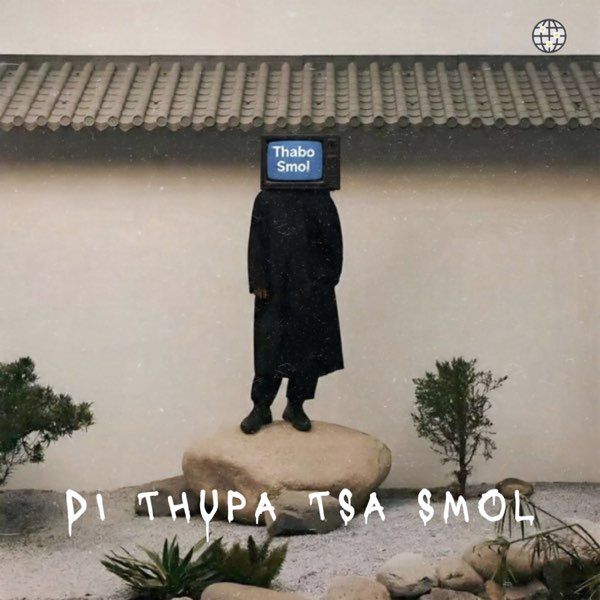
When exploring how contemporary South African artists redefine the boundaries of genre, few projects capture the spirit of dynamic evolution quite like Di Thupa Tsa Smol, the ambitious debut solo album by producer and Black Motion alum Thabo Smol. Sparked by recent industry conversations around Grammy aspirations for local sounds, this expansive 28-track offering serves up a rich masterclass in musical storytelling, heritage, and modern production.
True to its cultural roots, the project opens atmospherically with the traditional uhadi instrument and evocative chanting, instantly grounding the listener in a deeply textured sonic landscape. From there, the album moves effortlessly across genres, driven by a pervasive Bossa Nova influence that threads the entire collection together.
Standout tracks showcase Thabo Smol’s knack for evoking place and emotion. ‘Papa Oteng’ delivers a textured, mellow warmth characteristic of his seasoned production pedigree, while ‘Jazz Modiba’ captures the upwardly mobile rhythm and energetic hustle of the Joburg lifestyle. Elsewhere, the project plunges the listener into engulfing basslines and piano chords on ‘Ebhofolo Avenue’, before shifting gracefully into the hopeful trumpet harmonies of ‘Ba Di Kota’.
For midday chilled sessions, ‘4pm ko Transfer’ emerges as an instant favorite, pairing neo-soul keys with intricate drum patterns that evoke a mellow 90s hip-hop cadence while kicking with the momentum of mid-tempo drum & bass. Meanwhile, vocal-led highlights like ‘Every Moment’ and ‘All My Love’ shine through pristine composition, proving that detailed arrangement is Thabo Smol’s ultimate superpower.
Beyond its original compositions—which feature other notable cuts like ‘To Julia With Love’, ‘Let It Rain Again’, and ‘Wela’—the album cleverly weaves in nostalgic remixes of Black Motion classics and heartfelt tributes to icons like Mam’ Miriam Makeba and Boom Shaka.
What ultimately elevates Di Thupa Tsa Smol is that its intricate soundscapes could easily stand alone as an instrumental showcase, highlighting Thabo Smol’s raw instrumental mastery and vision. It is a comprehensive body of work that ticks every box for modern South African cultural journalism—bridging heritage, innovation, and global ambition.
This article was brainstormed and structured with AI assistance, and thoroughly fact-checked, edited, and infused with original editorial perspective by Manelisi Manellie to align with CultureZA’s brand voice.


Leave a Reply