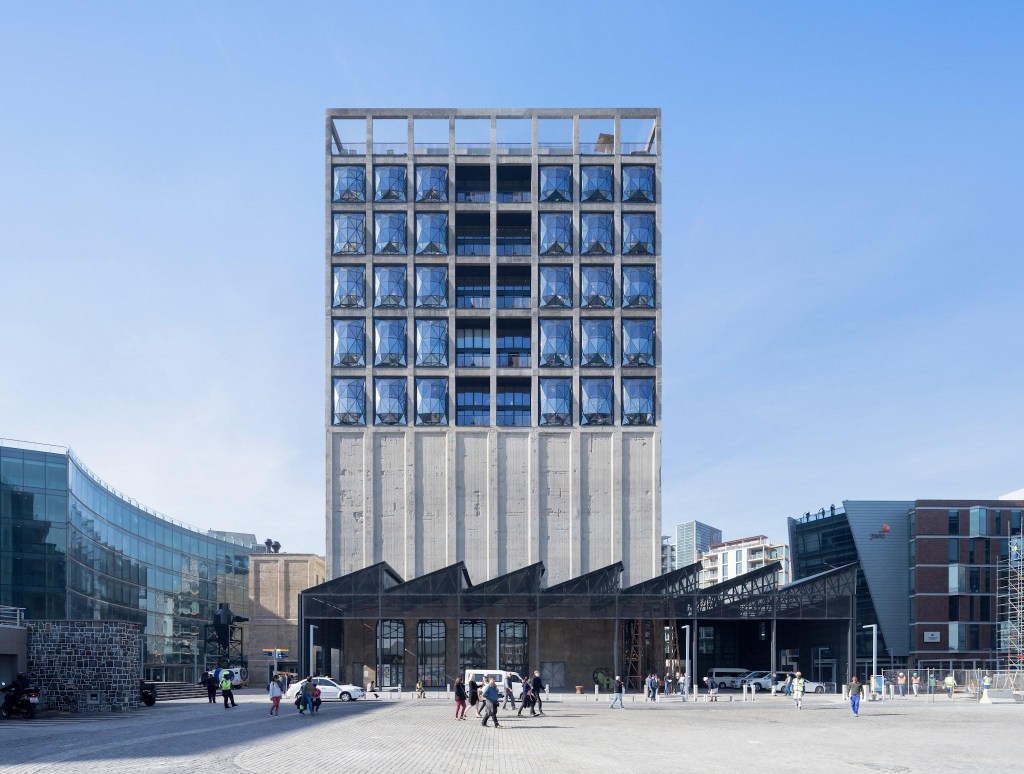
If you stand in the Silo District of Cape Town watching visitors engage with Spring Is Rebellious at Zeitz MOCAA, or walk through the inner city during the Institute for Creative Arts’ public interventions, a clear reality emerges about South African cultural production. Culture here is not an abstract concept to be categorized by market research or managed by institutional bureaucracy.
It is a living, breathing frequency.
Yet, much of the public discourse surrounding South African arts and communication remains stuck in a cold, extractionist framework. Bureaucratic briefs and algorithmic curators attempt to measure cultural output through demographics and engagement metrics, confusing mere reach with resonance. They treat culture as a static target—a set of postcodes, linguistic brackets, and historical markers to be analyzed from a distance.
Culture is not a target market. It is a shared socio-political resonance.
When we examine contemporary South African creative expression—across visual arts, photography, film, music, theatre, architecture, and design—the works that endure are those that honor lived context, bridge intergenerational memory, and invite authentic dialogue.
1. Sonic Archives and Performative Dialogues
In public humanities, it is recognized that history is rarely preserved solely in formal text; it lives in body, sound, and space.
The Sonic Archive
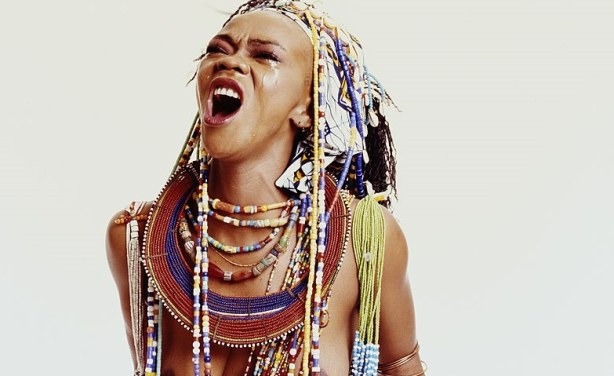
The ongoing evolution of Amapiano across South African urban spaces is more than a musical trend—it is a socio-acoustic archive. Built on log-drum frequencies, township slang, and communal dance, it functions as a living repository of youth identity, economic survival, and daily resistance. To reduce such music to “monetizable content” misses its core function as a site of collective memory.
Performative Agency in Theatre
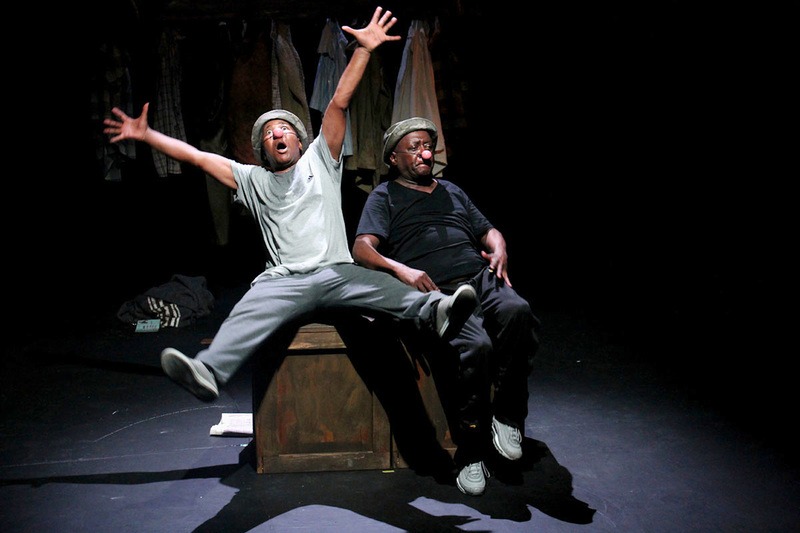
Theatre in South Africa continues to dismantle the wall between spectator and witness. Festivals like the Artscape Women’s Humanity Festival demonstrate how localized stage performances convert public venues into spaces for collective catharsis and truth-telling. Plays addressing generational pain, trauma, and identity do not broadcast at an audience; they create an active feedback loop where the room responds to the unscripted truth on stage.
Cinematic Linguistic Empathy

In contemporary South African cinema, narrative authenticity relies on dropping the sanitized, monolingual mask. When on-screen dialogue shifts fluidly between isiXhosa, Kaaps, Afrikaans, and English, it reflects how communities actually speak. It treats multilingualism not as a barrier to accessibility, but as a rich, non-negotiable source of narrative dignity.
2. Reclaiming the Visual Gaze and Spatial Memory
How a community is visualised dictates how its rights and agency are recognized in the public sphere.
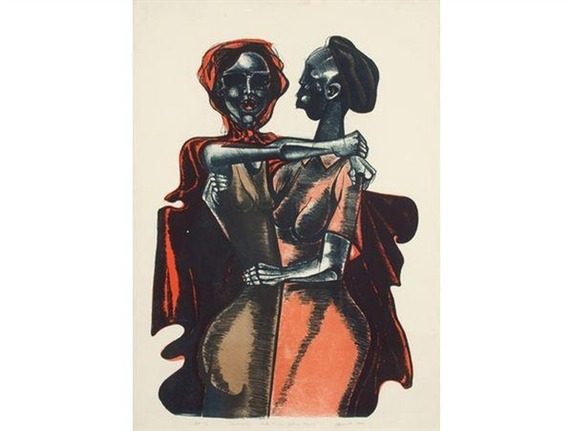
“Visual art in South Africa has never been purely aesthetic; it is a rigorous practice of historical counter-memory and spatial reclamation.”

Visual Truth over Deficit Narratives
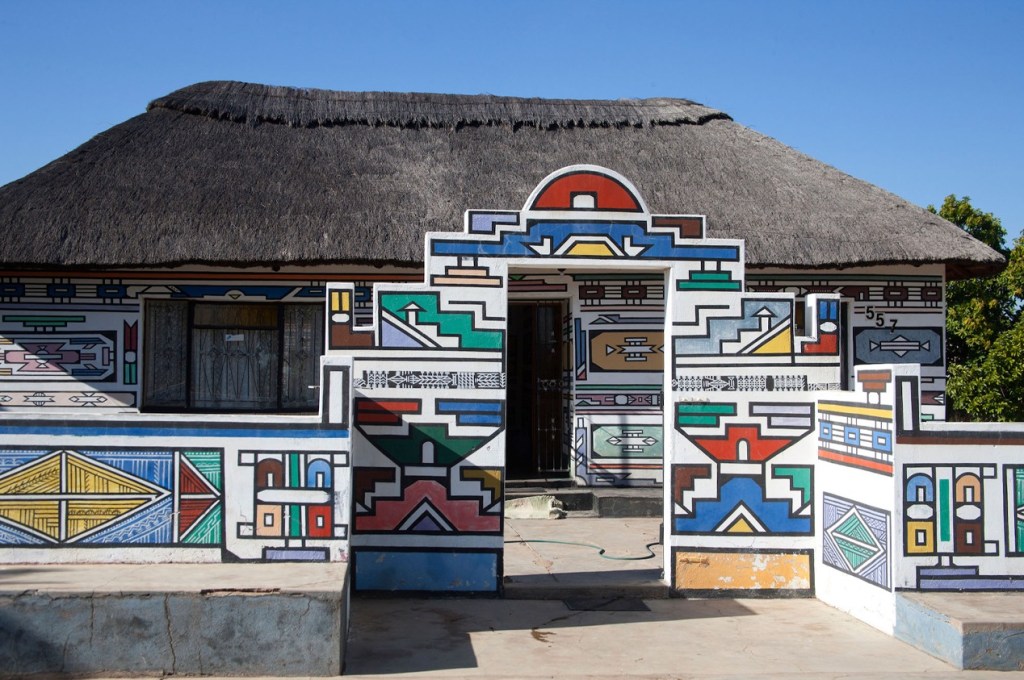
For decades, working-class spaces like Mitchell’s Plain and townships across the Cape Flats have been framed through deficit-based reporting. Today, documentary photographers and contemporary artists—such as Lerato Shadi and Robin Rhode in dialogue with Don Mattera and Gerard Sekoto in A Protea Is Not a Flower—are actively re-centering agency. Their work rejects both “poverty porn” and artificial corporate imagery, offering a nuanced visual record anchored in tenderness, dignity, and historical context.
Architecture as Spatial Repair
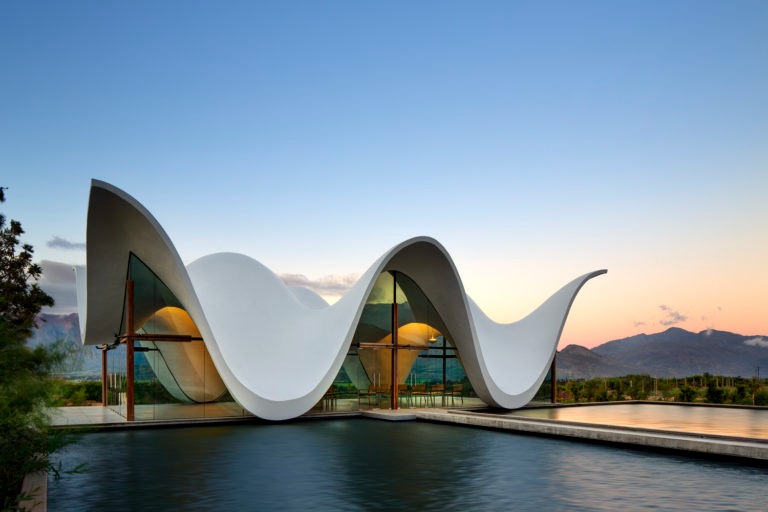
South Africa’s built environment still carries the structural logic of apartheid urban planning. However, public humanities interventions—such as the HEAT Festival’s examination of urban spaces under the Ctrl + Z theme of undoing and repair—demonstrate how architecture and spatial design can challenge exclusionary legacies. When urban planners and artists collaborate on community-centered spaces, they transform physical sites into arenas of spatial justice and civic belonging.
3. Epistemological Humility: Listening Before Speaking
When these creative disciplines intersect, they challenge academics, practitioners, and institutions to adopt a stance of epistemological humility.
For public scholars, curators, and cultural strategists, the imperative is clear:
- Abandon top-down broadcasting: Institutional authority cannot substitute for deep, local engagement.
- Honor localized idioms: Respect the complex, fluid linguistic realities of the communities you document or serve.
- Recognize culture as living practice: Treat art not as a passive artifact for study, but as an active participant in social transformation.
Culture is not an object to be analyzed from afar, nor a metric to be optimized. It is an ongoing conversation inside which we live. When our scholarship and storytelling ground themselves in genuine humility and lived reality, the response is immediate—the culture does not just listen; it resonates.
Content Disclosure: This article was developed by the author in collaborative partnership with an advanced artificial intelligence (AI) system. While the overarching conceptual thesis, local South African contextual framing, and structural direction originated entirely from the author’s professional insights, AI assistance was utilized to synthesize academic literature, cross-reference organizational psychology frameworks, and refine the narrative prose. All arguments, final edits, and ethical conclusions are the sole responsibility of the human author.


Leave a Reply